

261.2K
Downloads
266
Episodes
Free lectures on spirituality, religion, mysticism, meditation, psychology, kabbalah, alchemy, tantra, sacred sexuality, runes, dreams, astral projection, kundalini, yoga, the Bible, and more. From the Gnostic Academy of Chicago, a non-profit organization.
Episodes
Apr 22, 2017
Apr 22, 2017
1hr 46 min
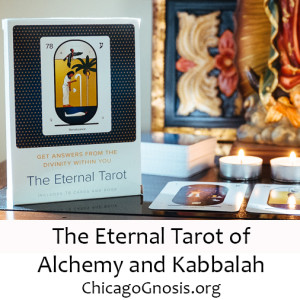
For creation to emerge, the unity (masculine, positive, or projective force) unfolds into a duality (the feminine, negative, or receptive force). Just as divine nature is initiated and formed through these two principles, likewise the human being must work with both the sacred masculine and sacred feminine in order to advance spiritually. Every priest (representative of the Divine Father) requires his priestess (reflective of the ineffable feminine or Divine Mother Kundalini) in order to perform works of high magic.
Discover how the High Priestess constitutes the eternal feminine through which any magician acts, specifically through the work of the Cubic Stone (Yesod or sexual magic in Kabbalah) through the alchemical tree of knowledge (Da'ath). This lecture draws upon a variety of sources, including the Muslim / Sufi tradition through unveiling the mysterious Preserved Tablet, Mother of the Book, and Book Concealed within the Qur'an, a direct reference to the secret book of the tarot. Likewise, this lecture explains the meaning of the sacred cow in Hinduism and Islam (Surah Al-Baqarah), as well as the meaning of the Hebrew letter Beth, Bethlehem, and the Merkabah: the solar bodies mentioned by Samael Aun Weor, the Book of Ezekiel, and the Zoharic commentary on the first line of Genesis.
Resources and References:
http://chicagognosis.org/lectures/arcanum-2-the-high-priestess
Mar 11, 2017
Mar 11, 2017
1hr 38 min
Every cosmos, whether macrocosmic (universal) or microcosmic (within the human being) is based upon divine, eternal laws, the latter being systematically represented within the tarot. The Magician is the divine masculine principle that initiates any endeavor, specifically in relation to the path of initiation: the induction into a higher way of spiritual being and the complete development of one's true human potential.
Learn how to become a practical magician: a being who fulfills the divine will for the benefit of others. This is accomplished by harnessing one's creative energies and conquering the lower, conditioned, and negative qualities of one's psyche. A magician is capable of consciously controlling the elements, not only physical, but energetic, emotional, mental, and volitional as well. The Magician of the First Arcanum therefore represents our own inner divinity who must command our interior universe, but for Him to do so, we must learn to cooperate so as to be a suitable vessel for Him.
Resources and References:

Feb 25, 2017
Feb 25, 2017
1hr 34 min
"Blue time or rest therapeutics [retrospection meditation] has basic rules without which it would be impossible to emancipate ourselves from the mortifying shackles of the mind." ―Samael Aun Weor, The Revolution of the Dialectic
The culminating lecture of this course provides definite, scientific methods for perceiving, understanding, and eliminating the causes of suffering. Learn how to perform retrospection meditation: the review, study, and transformation of internal psychological conditions. Through this practice, the meditator can experience genuine liberation, the beauty of comprehension, and the blessings of divinity.
Resources and References:
Feb 11, 2017
Feb 11, 2017
1hr 38 min
"[Al-Jurayri] said that whoever does not establish awe of duty and vigilance in his relationship to God will not arrive at disclosure of the unseen or contemplation of the divine." —Al-Qushayri, Al-Risalah: Principles of Sufism
Continuing the discussion on spiritual insight, this lecture outlines the path of meditation in accordance with Sufi mysticism and the three fundamental stages of initiation: imagination, inspiration, and intuition. Through imagination or perception of internal imagery in meditation, one arrives at the unveiling of psychological and spiritual symbolism. The practitioner is then inspired, longing for the precise significance of such experiences. When these symbols are fully comprehended in their application to daily life, the meditator arrives to the state of witnessing and contemplation of the divine.
Resources and References:
http://chicagognosis.org/lectures/imagination-inspiration-intuition
Feb 4, 2017
Feb 4, 2017
2hr 11 min
"For the wise, to imagine is to see." ―Samael Aun Weor
"The key to success in worship lies in meditative reflection (fikrat)…whoever persists in such reflection in the heart will behold the invisible realm in the spirit. Whoever contemplates God through keeping watch over the thoughts which pass through his heart will be exalted by God in all of his outward deeds." ―Dhu'l-Nun al-Misri
Upon attaining serenity of mind, the practitioner of meditation must develop and rely on developing the penetrating power of insight, known in some circles by the term clairvoyance (clear vision) and vipassana (special insight). The Gnostic tradition denominates this faculty as imagination, the ability to visualize and imagine conscious imagery in order to directly perceive the object of meditation and arrive at spiritual understanding. This lecture explores the Sufi writings of Al-Qushayri and the five types of clairvoyance (or imagination) within Gnostic psychology.
Resources and References:
Jan 28, 2017
Jan 28, 2017
1hr 48 min
When you lack the elements of serenity,
Even if you meditate assiduously,
You will not achieve concentration
Even in thousands of years.
—Atisha’s Lamp for the Path to Enlightenment
Tibetan Buddhism has outlined nine fundamental stages for arriving at a calm, balanced, and serene mind, known in Sanskrit as Shamatha or Calm Abiding, a state of concentration marked by its perfect equanimity and effortlessness to maintain. This lecture explains the path of these nine stages of concentration, from a wild and chaotic mind to one that is perfectly under one's control, in accordance with the writings of Tsong Khapa, the Dalai Lama, and other scriptural writings.
Resources and References:
http://chicagognosis.org/lectures/calm-abiding-the-stages-of-serenity
Jan 21, 2017
Jan 21, 2017
1hr 45 min
The true nature of the mind is equanimity, a profound state of silence that is actualized through our use of energy: psychological, emotional, and sexual. Prana is the basis of physical and spiritual life, synthesized and highly condensed within the sexual creative energy. It is the power that grants the sincere meditation practitioner the capacity to silence the mind and to develop strong concentration, so as to lay the foundation for genuine meditation. This lecture discusses Swami Sivananda's classic text Kundalini Yoga, the nature of energy in relation to the Kabbalistic Tree of Life and the mystical writings of the Sufis, how to work with pranayama and control of the breath, the sexual basis of prana or energy, and its necessity for entering the initial stages of true serenity and meditation.
Resources and References:
http://chicagognosis.org/lectures/pranayama-and-sexual-transmutation
Jan 14, 2017
Jan 14, 2017
1hr 37 min
"Let’s ask God to help us to self-control: for one who lacks it, lacks His Grace. The undisciplined person doesn’t wrong himself alone–but sets fire to the whole world. Discipline enabled Heaven to be filled with light; discipline enabled the angels to be immaculate and holy." ―Jalal al-Din Muhammad Rumi
A continuation of the study of ethical discipline, this lecture elaborates on the interdependent nature of all things: how mind, sentiment, and action, in all levels of nature, produce either happiness or sorrow. Our actions, both invisible and visible, have consequences, and it is by learning how to be ethical that we in turn place the appropriate causes in motion that will affect our spirituality, and therefore cause it to flourish. A profound study of Buddhism, Sufism, and Hinduism, this lecture explores the writings of Swami Sivananda, Samael Aun Weor, the Bhagavad-Gita, and The Risalah: Principles of Sufism by Al-Qushayri.
Resources and References:
http://chicagognosis.org/lectures/ethics-karma-and-interdependence
Jan 7, 2017
Jan 7, 2017
1hr 23 min
Genuine meditation begins with the foundation of discipline and ethical principles: kindness, patience, mercy, compassion, and the restraint of the mind's tendencies towards negative behaviors. Through cultivating rich spiritual values, we in turn develop peace, harmony and equanimity. By reflecting upon the causes of our suffering, we can change it. This in turn produces the ability to investigate and gather internal information for ourselves through silence and contemplation. This lecture outlines the eightfold path of Yoga as taught by Patanjali as well as psychological teachings from the Upanishads, the Bhagavad-Gita, and The Odyssey of Homer.
Resources and References:
http://chicagognosis.org/lectures/esoteric-discipline-of-mind
Nov 12, 2016
Nov 12, 2016
1hr 45 min
"Imagination, Inspiration, and Intuition are the three obligatory paths for the initiation. We reach these ineffable heights by means of concentration, meditation and samadhi. Whosoever has reached these ineffable heights of intuition has converted himself into a master of samadhi." ―Samael Aun Weor, Igneous Rose
Despite their elusive character, mystical experiences possess three distinct, eternal principles: Imagination (perception of non-physical imagery), Inspiration (joyful recognition of divine symbolism), and Intuition (comprehension of their hidden meaning). Through cultivating an ethical lifestyle, meditators can awaken to their true nature and access profound spiritual knowledge. Discover how through the teachings of the Sufis, the Buddha, and Samael Aun Weor.
Resources and References: